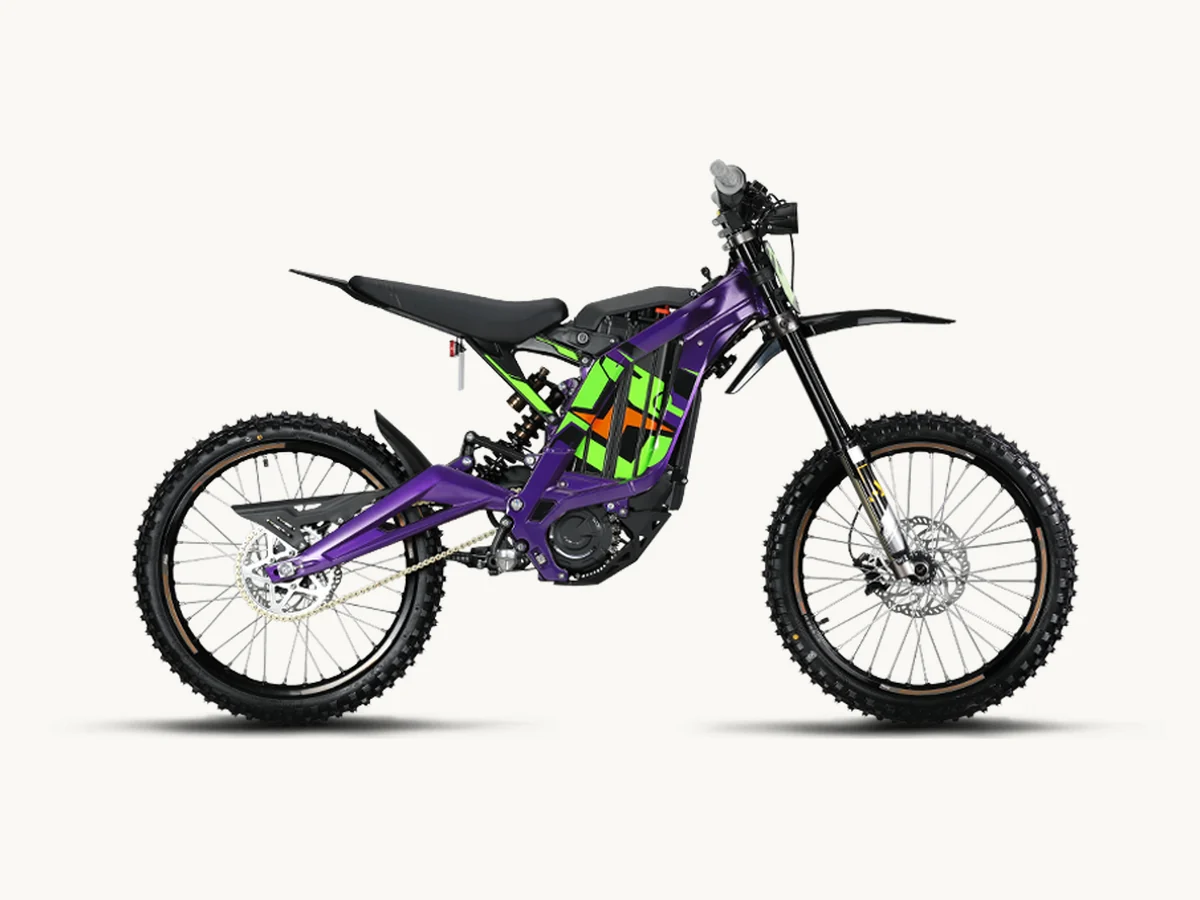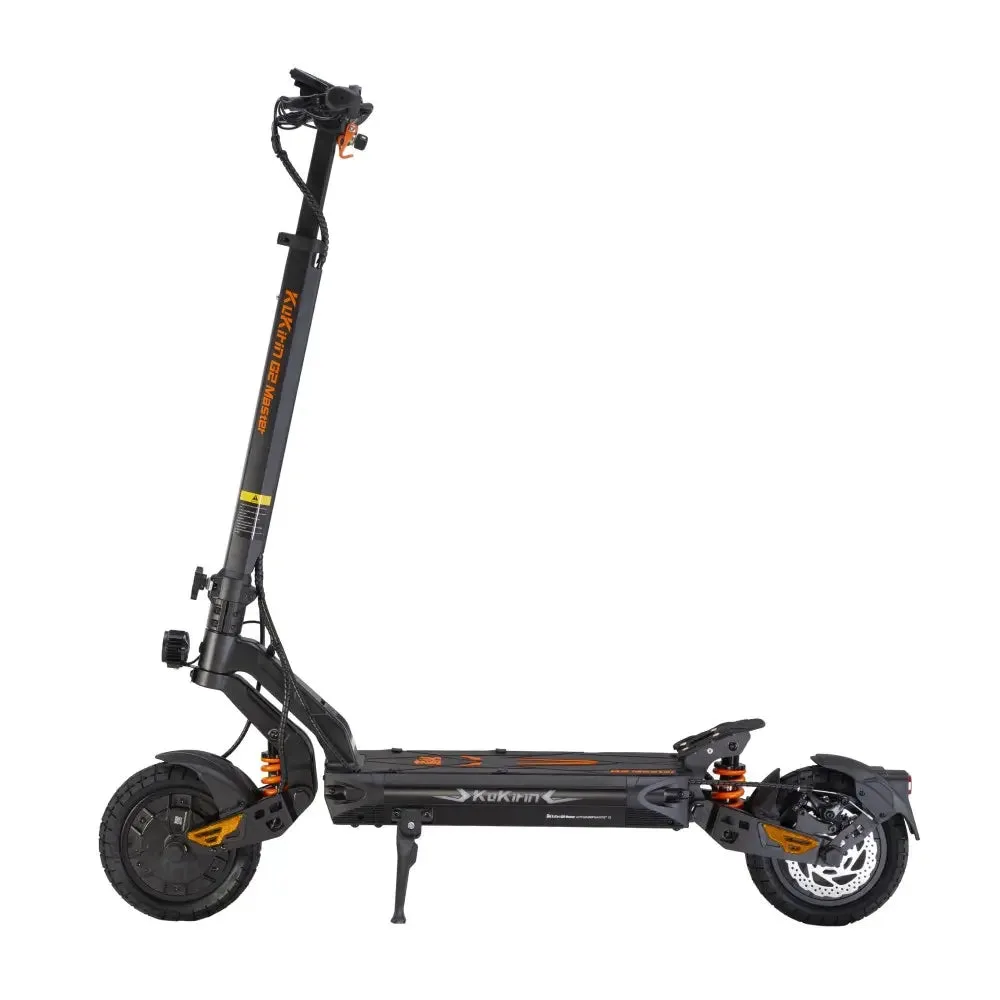
Start with vehicle class, not the product category
A seller's label such as e-bike, scooter, or e-moto is not a legal classification. Regulators care about motor power, assisted speed, throttle, vehicle weight, wheels, brakes, lighting, and whether the machine has a title or homologation.
A product that can be configured to a higher speed may no longer qualify for a bicycle exemption after that change. Removing a limiter can also affect the rider's licence, insurance, and liability.
United States: state law and local trails decide
Many states use a three-class e-bike framework, but exact equipment, access, age, helmet, and path rules vary. A Class 3 bike may be excluded from some paths even when it is legal on a road. Local park and trail authorities can add restrictions.
Electric scooters are often governed separately and may be allowed only on specified streets or paths, with local limits on speed, parking, and sidewalk use. A high-performance scooter may fall outside the exemption altogether.
- Confirm state classification and whether the vehicle can be titled or registered.
- Check city and park rules, not only the state motor-vehicle code.
- Confirm helmet, age, insurance, and licence requirements for the exact machine.
- Keep the manufacturer's speed-setting documentation with the vehicle.
United Kingdom: lawful e-bikes differ from throttle e-motos
The UK's electric-assist bicycle rules are more restrictive than many imported products imply. Motor assistance, pedal activation, and speed limits all matter. A bike with an independent throttle or a higher assisted speed may require a different vehicle category and registration route.
Stand-up e-scooters remain restricted on public roads and pavements outside official trials or rental schemes. Buying a retail scooter does not create a public-road right. Check current government and local guidance before riding.
European Union: EN standards are not automatic road approval
EU member states implement and enforce different local rules. A CE marking and an EN helmet standard do not automatically make a vehicle legal on every path. E-bike assistance limits, insurance, and registration requirements can vary.
For e-motos, ask whether the bike has a certificate of conformity and the correct vehicle category before assuming a VIN and lights make it road registerable.
Helmet and protective equipment are separate decisions
A CPSC or EN 1078 bicycle helmet is not a motorcycle helmet. A smart bicycle helmet with lights remains a bicycle helmet. Motorcycle use requires motorcycle-certified protection and may require specific lighting or clothing in local law.
Protective equipment should match the speed and environment, not the marketing category. Gloves, boots, abrasion-resistant clothing, and eye protection become more relevant as speed rises.
A five-step legality check before purchase
Write down the exact model and configuration. Check the national vehicle rules, local path and park rules, insurance and registration process, licensing requirement, and the importer's documentation.
If a seller cannot provide a model number, the delivered configuration, and the relevant certification, do not rely on “road legal” in a listing title. This article is general information, not legal advice for a specific jurisdiction.
The regional rule
A vehicle is legal only where its exact configuration is permitted. Check the national classification, local access, licensing, insurance, and equipment rules before you buy or modify the limiter. Off-road hardware does not create road access.