Rad Power Bikes vs Aventon: Which E-Bike Fits Your Ride?
The useful comparison is not which brand has the biggest motor number. It is which 2026 commuter platform fits your body, route, storage, and appetite for connected features.
Read the reviewCommuter, cargo, folding, and fat-tire electric bikes without the spec-sheet theatre.
An e-bike is a bicycle, a battery system, and a second set of ownership costs. Useful comparisons start with the route, the rider, and the place the bike will live: stairs, transit, a narrow hallway, or a garage with power. Torque sensing usually feels more natural than simple cadence assist, but the motor, gearing, weight, brakes, and service support still decide whether the ride works. Class rules and trail access vary by state. Rider Cockpit compares the details that change daily ownership across Rad Power Bikes, Aventon, Ride1Up, Lectric, Velotric, Pedego, and Luckeep.
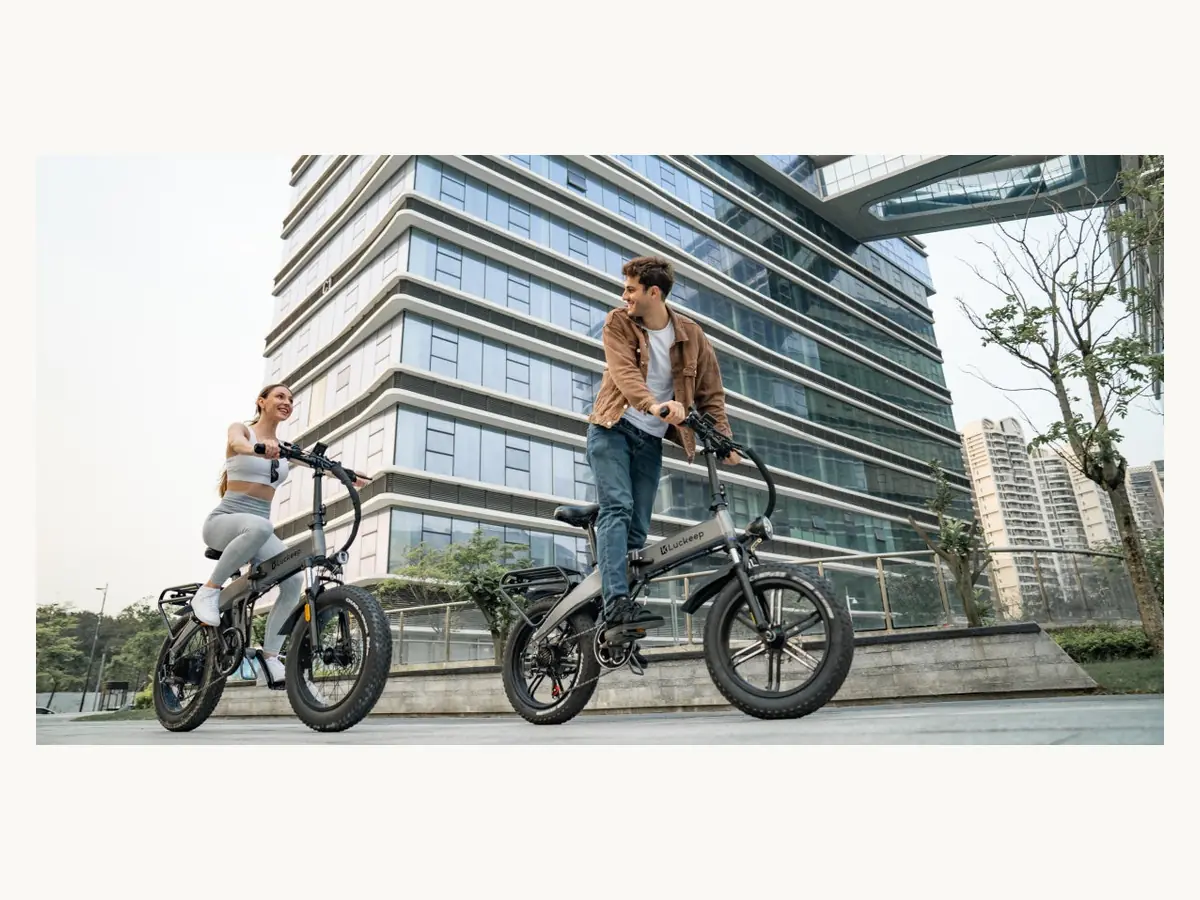
Our Luckeep coverage begins with a transparent check of the XT01 model name, then reviews the verified X1 on the specification record.
Affiliate link. We may earn a commission at no extra cost to you.


The useful comparison is not which brand has the biggest motor number. It is which 2026 commuter platform fits your body, route, storage, and appetite for connected features.
Read the review
A review needs a real model, a real specification, and a traceable configuration. At publication time, the Luckeep XT01 does not meet that bar.
Read the review
The X1 makes a strong specification case for a folding fat bike. The harder questions are 76 pounds of weight, documentation inconsistencies, and the route you really need.
Read the review
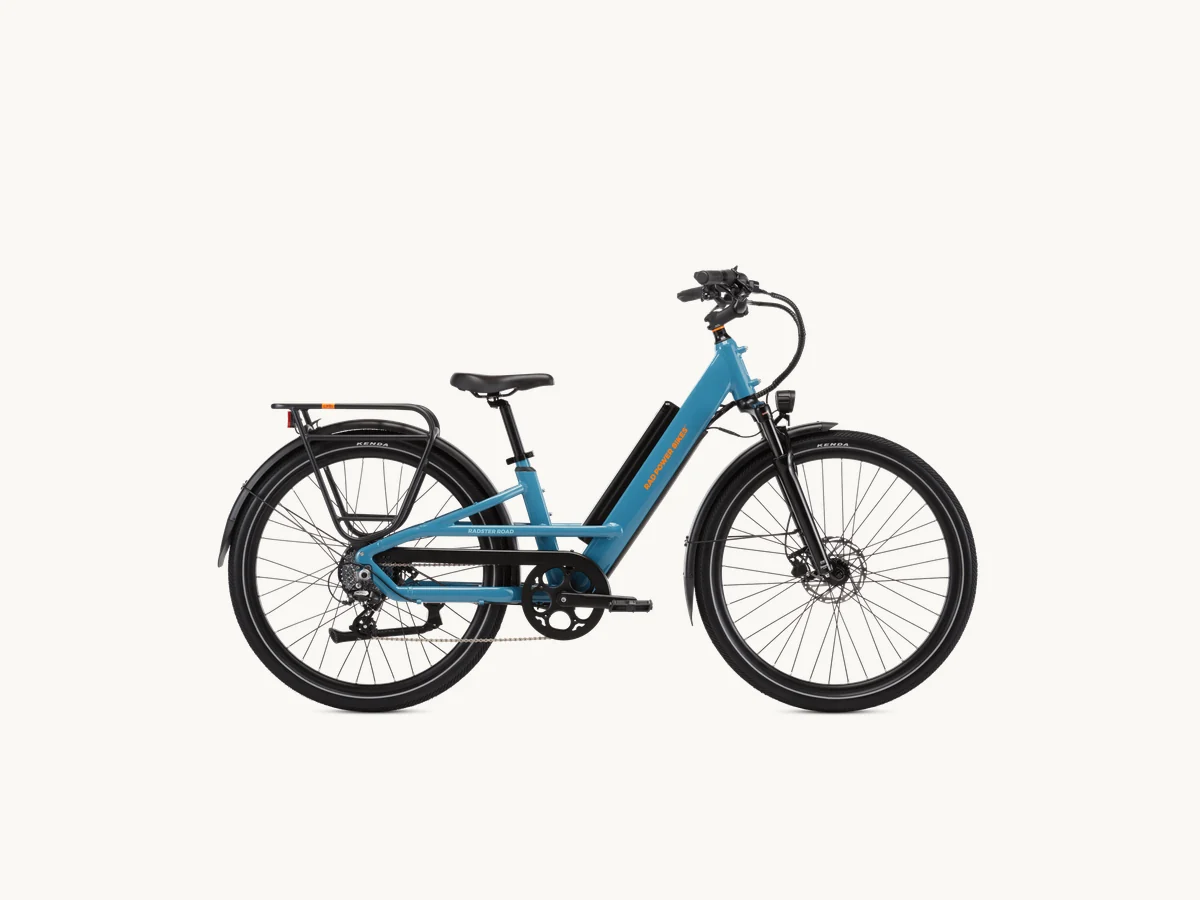
The Radster Road finally pairs Rad's utility hardware with torque sensing. The question is whether its fit and 75-pound build match your commute.
Read the review
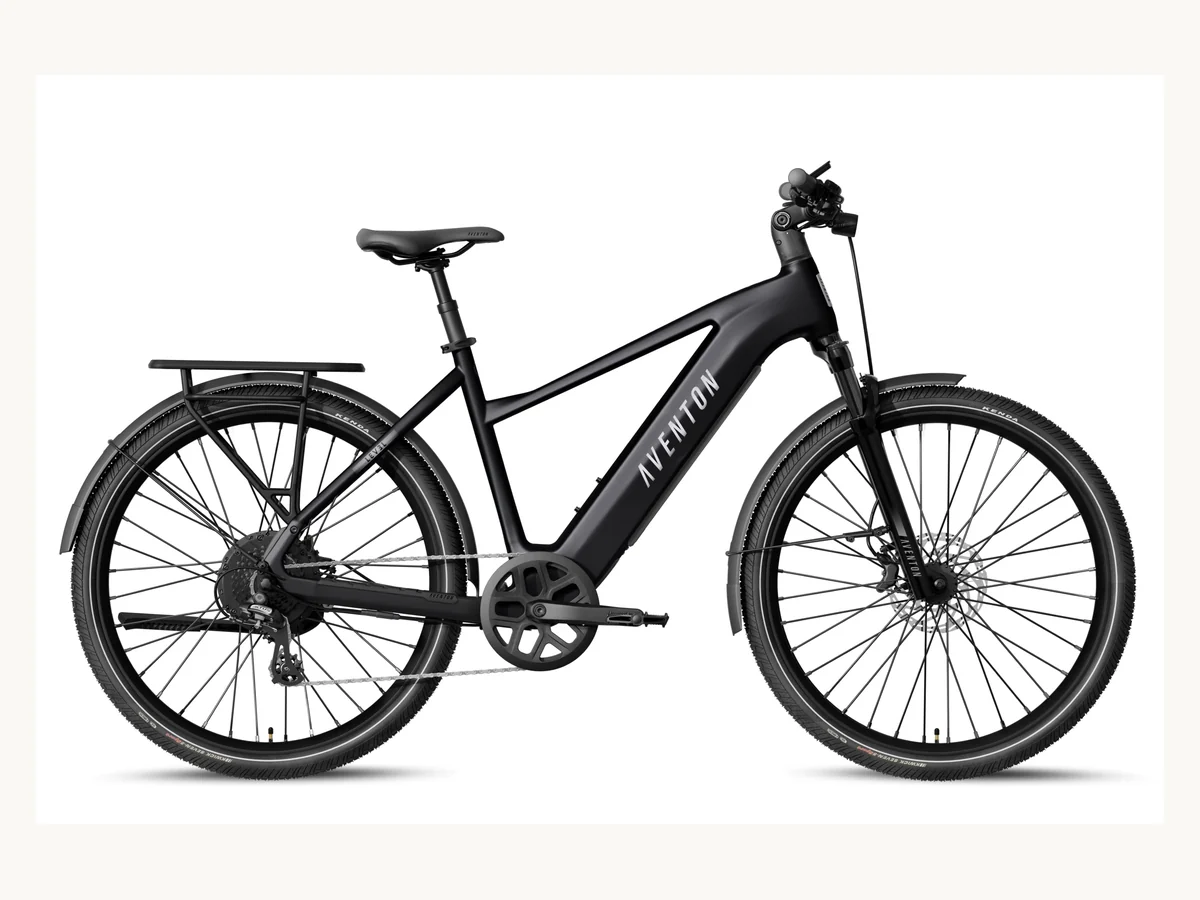
The Level 4 REC is less about raw motor size than the way it packages range, sensors, security, and everyday commuter hardware.
Read the reviewA torque sensor estimates pedal force and can scale assistance to effort, while a cadence sensor mainly detects pedal rotation. Neither is automatically better for every rider: tuning, gearing, motor control, weight, and riding style still determine how natural the bike feels.
Compare battery watt-hours, assist level, test speed, rider weight, terrain, and temperature. A large battery supports more potential range, but efficiency and the way you ride matter. Treat a single claimed range as a best-case description, not a daily guarantee.
Only if your routes and local rules support the extra assisted speed. Class 3 bikes may be restricted from some paths, and the higher limit is not useful in dense traffic. Confirm state and local rules, plus whether the exact model is configured as Class 1, 2, or 3.
The folded dimensions can help with storage, but weight remains the limiting factor. A 70-pound folding bike still has to be lifted into a trunk, train, or upstairs landing. Measure the folded envelope and compare that weight with your real carrying ability.
Confirm battery certification, assembly requirements, brake type, replacement battery availability, warranty terms, local service options, and your legal riding category. Also check the return policy and whether delivery requires a signature or special handling.