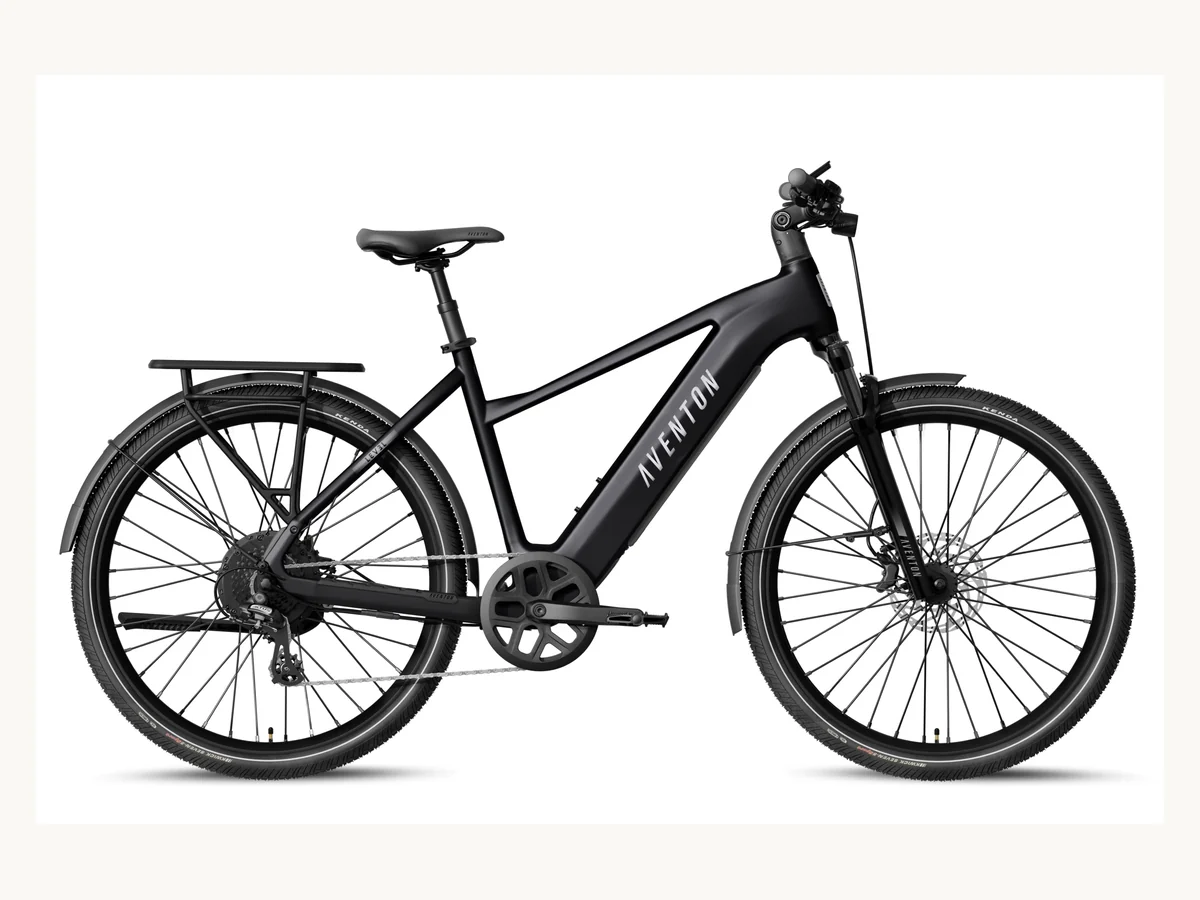
Use the charger supplied for the battery
Voltage and current must match the pack and charging system. A charger that fits does not necessarily have the correct output or communication protocol. Use the manufacturer's charger unless a documented replacement has the same specification.
Charge on a hard, non-combustible surface in a ventilated space. Keep the charger off soft furnishings, away from water, and under the supervision reasonable for the product. Follow local fire guidance when charging indoors.
Avoid charging a hot or freezing battery
Let the pack return toward room temperature after a hot ride or a cold commute. Charging a lithium pack outside its permitted temperature range can cause damage or create a safety hazard.
The exact temperature window belongs in the battery or vehicle manual. Do not invent a universal number for every chemistry and enclosure.
Do not treat 100 percent as a daily requirement
If the manufacturer permits a partial-charge storage strategy, storing around the middle of the state-of-charge range can reduce stress compared with leaving a full pack hot for months. For a long trip, charge for the trip instead.
Check whether the display reports voltage, percentage, or an estimate. Percentage can jump after a load is removed; voltage is not a perfect fuel gauge either. Learn the machine's behaviour.
Storage needs more than a shelf
Store the battery dry and within the manufacturer's temperature range. Avoid a freezing shed, a hot car, or a damp floor. Remove the pack when the manual directs it and protect the contacts from debris.
If the bike will sit for months, use the storage charge recommended by the manufacturer and check the pack periodically. A deeply discharged lithium battery may not recover and can become unsafe.
Inspect for damage, not just capacity
Stop using the battery if the case swells, cracks, leaks, smells unusual, becomes unusually hot, or has damaged insulation or connectors. Do not puncture, press, or attempt to repair the pack yourself.
A battery that has been submerged, crashed, or charged with the wrong device should be assessed by a qualified provider. Keep it away from combustible material and follow local disposal or emergency guidance.
Protect real-world range
Range falls with speed, acceleration, rider and cargo weight, hills, headwinds, cold, low tyre pressure, and battery age. Smoother acceleration, correct tyre pressure, and a realistic reserve matter more than a magical charging routine.
Do not plan the return leg around the best-case claim if the route includes steep climbs or a headwind. A buffer protects both the battery and the rider.
Battery care in one sentence
Use the right charger, avoid extreme heat and cold, store within the manufacturer's guidance, never ignore physical damage, and plan range with a margin. These habits do more than any performance setting.